Best Laptops for Home Office Work (2026)
Quick Picks — Best Laptops for Home Office Work
Apple MacBook Air 13″ (M4)
Silent, all-day battery, and enough power for any remote job.
~$999
HP Omnibook Ultra
Up to 41 hours of battery life and built-in AI productivity tools.
~$1,149
Acer Swift Go 14
A capable everyday work laptop that stays well under $700.
~$649
As an Amazon Associate we earn from qualifying purchases.
Choosing the best laptop for home office work comes down to three things: battery life that survives a full day of video calls, a keyboard and screen you can tolerate for eight hours straight, and enough performance headroom that your machine never becomes the bottleneck. We compared specs, pricing, and real-world usage patterns across dozens of current laptops to narrow the field down to three that consistently show up on remote workers’ desks: one for people who want the best possible experience, one for people who want the most laptop per dollar, and one for people who just need something reliable that won’t break the bank. Every pick below is available through Amazon, and we’ve linked directly to each listing so you can compare current pricing before you buy.
Apple MacBook Air 13″ (M4)
The MacBook Air remains the default recommendation for home office work, and for good reason. It’s fanless, so it runs completely silent through video calls and spreadsheet marathons alike. Battery life comfortably covers a full workday without hunting for an outlet, and the M4 chip handles everything a typical remote job throws at it, from dozens of browser tabs to video editing and light development work. The 13-inch display is sharp enough for detailed spreadsheet work, and the trackpad and keyboard are still best-in-class for typing-heavy jobs.
PROS
- Silent, fanless design
- All-day battery life in real-world use
- Excellent build quality and trackpad
- Strong resale value
CONS
- Limited port selection
- Not upgradeable after purchase
- Windows-only software won’t run natively
HP Omnibook Ultra
If you want Windows and you want to stop thinking about your charger, the HP Omnibook Ultra is the strongest option on the market right now. HP rates the battery at up to 41 hours in light use, which in practical terms means most people can go two to three full workdays between charges. It also ships with a set of AI-assisted productivity tools built into Windows that genuinely speed up tasks like meeting summaries and document drafting, rather than feeling bolted on. Performance is more than enough for multitasking across a full remote workday, including video calls, spreadsheets, and cloud-based design tools.
PROS
- Exceptional battery life
- Useful built-in AI productivity features
- Comfortable keyboard for long typing sessions
- Good port selection for a thin-and-light
CONS
- Bulkier than the MacBook Air
- Some AI features require a Microsoft account
Acer Swift Go 14
Not everyone needs a $1,000+ laptop to answer emails, join Zoom calls, and work in a browser all day. The Acer Swift Go 14 covers the fundamentals well: a 14-inch 1080p display, a comfortable keyboard, a workday’s worth of battery life, and enough processing power for standard office work. It won’t handle heavy video editing or large development projects gracefully, but for email, documents, browser-based tools, and video calls, it’s one of the best-value laptops for a home office setup on a tight budget.
PROS
- Strong value under $700
- Comfortable 14-inch 1080p display
- Lightweight and portable
CONS
- Struggles with heavier multitasking
- Build quality feels less premium
- Speakers are noticeably weaker
| Laptop | Best For | Battery Life | RAM | Approx. Price |
|---|---|---|---|---|
| Apple MacBook Air 13″ (M4) | Best overall experience | Up to 18 hours | 16GB | ~$999 |
| HP Omnibook Ultra | Longest battery life | Up to 41 hours | 16-32GB | ~$1,149 |
| Acer Swift Go 14 | Tightest budget | Up to 10 hours | 8-16GB | ~$649 |
How to Choose a Laptop for Home Office Work
Most remote jobs don’t actually need a powerful workstation. What they need is reliability: a laptop that starts instantly, holds a charge through a full day of calls, and doesn’t slow down when you have fifteen browser tabs and a video conference open at once. Before you buy, run through these four factors.
RAM. For most home office tasks, 16GB is the sweet spot. It’s enough to keep multiple applications and browser tabs open without slowdown. If your work involves heavy coding, large spreadsheets, or graphics-intensive applications, look for 32GB.
Battery life. Manufacturer battery estimates are almost always optimistic, so treat published numbers as a ceiling, not a guarantee. A laptop rated for 18 hours will typically deliver closer to 10-12 hours in real video-call-heavy use, which is still enough to skip the charger most days.
Display and ergonomics. A 14 to 15-inch Full HD (or better) display reduces eye strain over a full workday. If you already use an external monitor, screen size matters less, but keyboard comfort and webcam quality still matter for daily video calls.
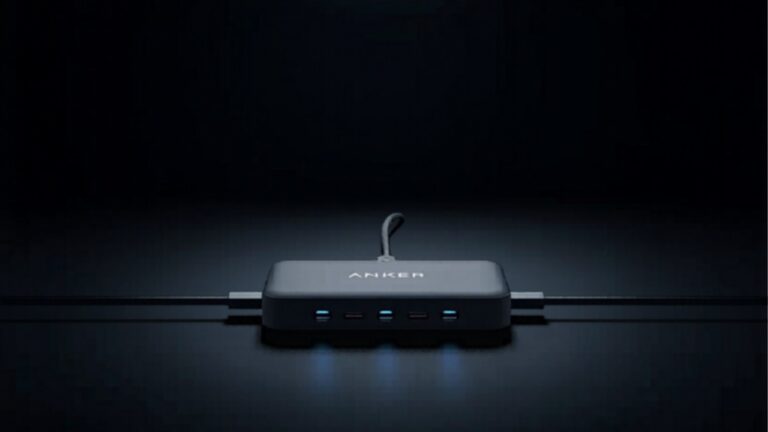
Ports and connectivity. If you rely on a docking station, external monitor, or wired peripherals, check the port selection before you buy. Many ultra-thin laptops now ship with just two USB-C ports, which may mean adding a hub to your home office setup.
Webcam and microphone quality. Built-in webcams on most laptops are still mediocre, even on premium models, because manufacturers prioritize thinness over camera hardware. If video calls are a big part of your workday, budget for an external webcam, since it will make a bigger visible difference in call quality than most laptop upgrades. The same applies to built-in microphones: a $30 USB microphone often outperforms every laptop on this list for voice clarity.
Setting Up Your Laptop for a Full Day of Work
A great laptop is only half of a good home office setup. Most people who work from a laptop full time eventually run into the same problem: hunching over a screen that sits too low, which leads to neck and shoulder strain within a few weeks. Pairing your laptop with a laptop stand and an external keyboard and mouse raises the screen to eye level and restores a more ergonomic typing position, which matters far more over an 8-hour day than most people expect.
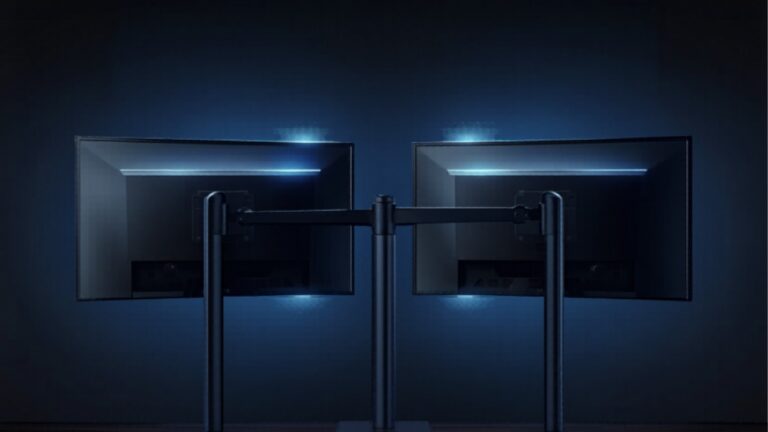
If you spend more than a few hours a day on video calls, a second display also makes a noticeable difference. Instead of squeezing a video call, a shared document, and your notes onto one 13 or 14-inch screen, an external monitor gives you room to keep everything visible at once. Most of the laptops on this list support at least one external display over USB-C or HDMI without needing a separate docking station.
Finally, don’t overlook charging. Even laptops with excellent rated battery life benefit from staying topped up during the workday rather than running down to empty, which helps preserve battery health over the laptop’s lifespan. A dedicated USB-C charger at your desk means you’re never scrambling for power before an afternoon call.
Frequently Asked Questions
Do I need a Mac or a Windows laptop for remote work?
Either works well for most jobs. Mac laptops tend to have longer real-world battery life and quieter operation, while Windows laptops offer more hardware variety and price points, plus better compatibility with certain enterprise software.
How much RAM do I actually need for a home office laptop?
16GB is enough for the vast majority of remote jobs, including video calls, browser-heavy work, and standard office software. Only go to 32GB if your work involves heavy coding, video editing, or large-scale data work.
Is a budget laptop good enough for a home office?
For email, documents, and video calls, yes. A laptop like the Acer Swift Go 14 handles day-to-day office work well. The tradeoff shows up under heavier multitasking or graphics-intensive work.
Should I buy a laptop or a desktop for working from home?
A laptop offers flexibility if you ever need to work from another room, a coffee shop, or while traveling. If your setup is permanently fixed at one desk, a desktop can offer more performance per dollar, though most home office workers still prefer the portability of a laptop paired with an external monitor.
How long should a home office laptop last?
A well-built laptop in this price range should comfortably last three to five years of daily remote work before performance or battery degradation becomes noticeable. Keeping the laptop plugged in only when needed, rather than leaving it charging to 100 percent overnight every night, helps the battery hold its capacity longer.
Our Final Verdict
For most people setting up a home office in 2026, the Apple MacBook Air 13″ (M4) is the easiest recommendation: it’s fast, silent, and the battery genuinely lasts a full workday. If you need Windows and want the longest possible battery life along with useful built-in AI tools, the HP Omnibook Ultra is worth the extra cost. And if your budget is tight, the Acer Swift Go 14 handles standard office work without the premium price tag.
Get the MacBook Air on Amazon
See the HP Omnibook Ultra on Amazon
As an Amazon Associate we earn from qualifying purchases.