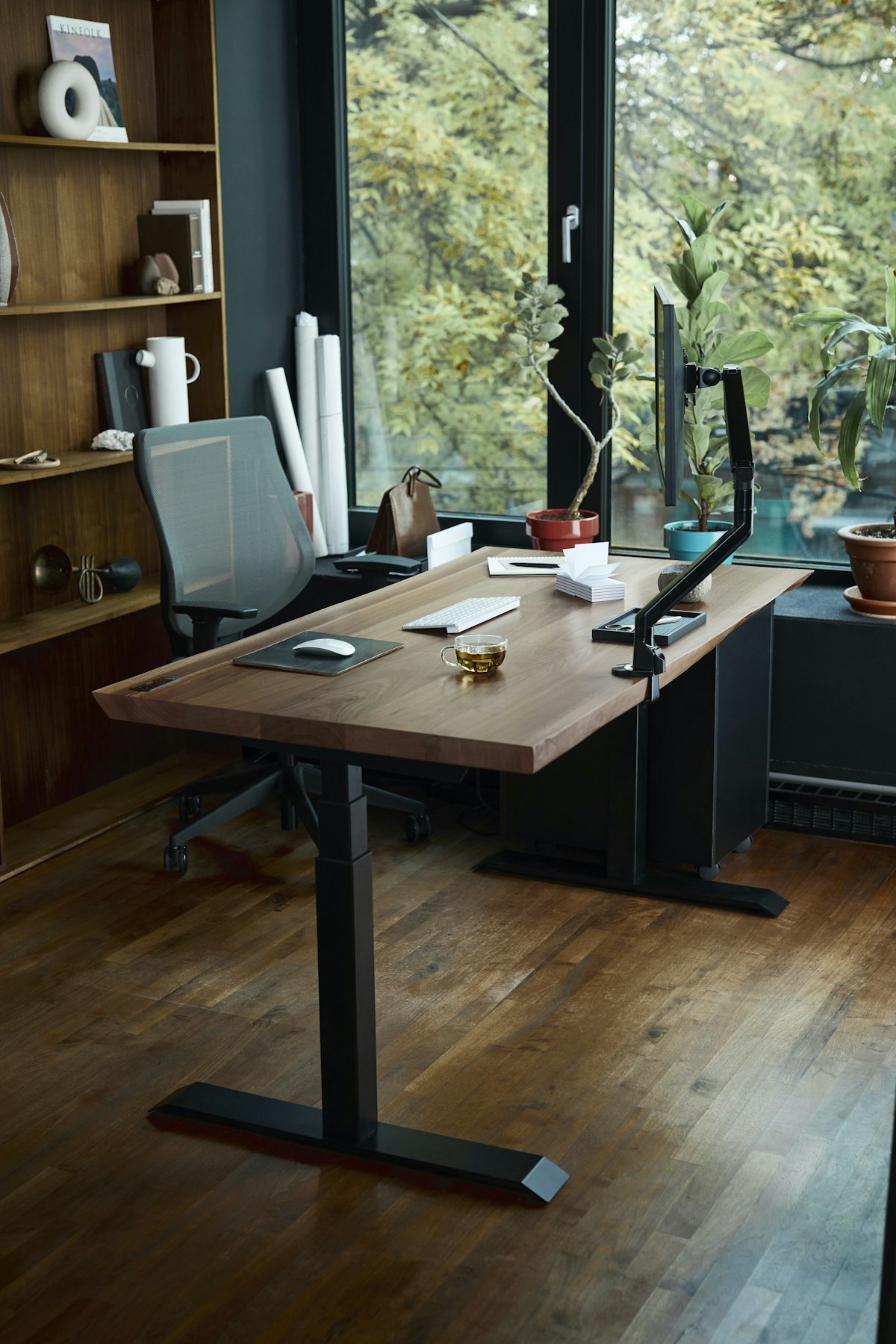
Standing Desk Benefits 2026 — Is a Standing Desk Worth It?
⚡ Quick Verdict — Standing Desks
Yes, a standing desk is worth it — with one important caveat: the benefit comes from alternating between sitting and standing, not from standing all day. Research consistently shows that sit-stand desks reduce back pain, improve energy and focus, and provide modest metabolic benefits over purely sedentary desk work.
Standing desks have gone from trendy office novelty to mainstream home office staple over the past decade, and for good reason. The research supporting their benefits has grown substantially, and the products themselves have become dramatically more affordable and reliable. But there’s also a lot of hype and misinformation around standing desks — including the dangerous notion that standing is simply “the opposite of sitting” and therefore inherently healthy.
In this evidence-based guide, we examine what the science actually says about standing desk benefits in 2026, how to use a standing desk correctly, and whether the investment is right for your situation.
The Core Problem: Prolonged Sitting
Before examining standing desk benefits, it’s worth understanding what they’re addressing. Prolonged, uninterrupted sitting has been linked by multiple large-scale studies to:
- Increased risk of cardiovascular disease (sitting 8+ hours daily is associated with up to 147% increased cardiovascular disease risk)
- Type 2 diabetes (sedentary time is independently associated with insulin resistance)
- Lower back pain (the most common work-related health complaint globally)
- Reduced metabolic rate — sustained sitting drops metabolism to its lowest resting rate
- Poor posture and associated neck, shoulder, and hip problems
- Reduced circulation and energy levels throughout the day
The critical word is “prolonged” — brief sitting with regular movement breaks is not associated with these risks. A standing desk is fundamentally a tool for breaking up prolonged sedentary time, not for eliminating sitting entirely.
Proven Benefits of Standing Desks
1. Reduced Lower Back Pain
This is the most consistently documented benefit. A study published in the CDC’s journal Preventing Chronic Disease found that standing desk users reported 54% less upper back and neck pain after 4 weeks compared to a control group. A follow-up study found these benefits disappeared when participants stopped using the standing desks, confirming the causal link. For the millions of desk workers who experience chronic back pain, a sit-stand desk frequently provides significant, measurable relief.
2. Improved Energy and Reduced Fatigue
A study by the Texas A&M Health Science Center found that call center employees with standing desks were 46% more productive than their seated colleagues over a 6-month period. Participants also consistently reported better energy levels, less afternoon fatigue, and improved mood. The mechanism appears to be related to improved circulation and reduced muscular tension from postural variation.
3. Calorie Burn
Standing burns more calories than sitting — roughly 50 extra calories per hour. This is modest (about 400 extra calories per 8-hour day if you stood the entire time, which you shouldn’t), but over weeks and months it adds up. A person who stands for 3 hours per day (alternating with sitting) burns approximately 150 additional calories daily, equating to roughly 8 pounds per year compared to sitting all day. Not a substitute for exercise, but a meaningful metabolic contribution.
4. Better Posture (When Used Correctly)
Standing at a correctly adjusted desk encourages more neutral spinal alignment than sitting in a poorly adjusted chair. It naturally activates the postural muscles of the core and back. However, standing with poor posture (leaning on one leg, slouching forward) can cause its own problems — proper standing form is as important as proper sitting posture. Read our posture guide for complete guidance.
5. Improved Blood Sugar Regulation
A 2013 study found that standing for 180 minutes after lunch reduced the post-meal blood sugar spike by 43% compared to sitting for the same period. Chronically elevated post-meal blood sugar is associated with insulin resistance and type 2 diabetes risk. This finding suggests that strategic standing after meals — easily achievable with a sit-stand desk — has meaningful metabolic health implications.
6. Reduced Cardiovascular Risk
A meta-analysis of 47 studies involving over 1.2 million people found that excessive sitting was associated with significantly increased cardiovascular disease risk, independent of leisure-time physical activity. Importantly, regular standing breaks throughout the day appeared to mitigate these risks. The mechanism involves improved circulation, reduced blood pressure, and better lipid metabolism from postural variation.
The Right Way to Use a Standing Desk
Many new standing desk owners make the mistake of standing all day, which leads to foot pain, lower leg fatigue, varicose vein strain, and lower back discomfort from prolonged static standing. The evidence-based recommendation is:
- Alternate every 30–60 minutes between sitting and standing
- Stand for 15–30 minutes out of every hour — build up gradually if new to standing
- Use an anti-fatigue mat when standing — it dramatically reduces foot and leg fatigue
- Wear supportive footwear — or stand barefoot on a quality anti-fatigue mat
- Maintain proper standing posture: feet shoulder-width, weight evenly distributed, knees slightly soft (not locked)
How to Choose the Right Standing Desk
For a complete buying guide, see our best standing desks under $500 article. Key considerations:
- Electric vs. manual: Electric desks make it far easier to switch positions frequently (the main goal). Manual crank desks are cheaper but require more effort to adjust.
- Height range: Check that the desk’s height range accommodates both your sitting and standing heights. Tall users (6’+) need desks that go higher than budget options.
- Stability: Wobble at standing height is a common complaint on cheap models. Test reviews for stability, especially with heavy dual-monitor setups.
- Surface size: Don’t downgrade your workspace to go to a standing desk. Get at least the same surface area you currently have.
Standing Desk Converters — A Cost-Effective Alternative
If a full standing desk isn’t in your budget, a standing desk converter sits on top of your existing desk and raises your monitor and keyboard to standing height. Quality converters cost $100–$300 — a fraction of a full electric desk. They provide the same core sit-stand benefit. See our best standing desk converter guide for top picks.
Frequently Asked Questions
How long should you stand at a standing desk?
The evidence-based recommendation is to stand for 15–30 minutes out of every hour, building up gradually over several weeks. New standing desk users often experience calf and foot fatigue initially as their body adapts. Start with 15-minute standing intervals and increase over 4–6 weeks. Never stand for more than 2 consecutive hours without a sitting or movement break.
Does a standing desk help with back pain?
For most people with desk-work-related lower back pain, yes — significantly. The key is using the desk as a sit-stand tool (alternating positions) rather than standing all day. Studies show marked reductions in lower back and upper back pain with consistent sit-stand desk use over 4+ weeks. If your pain is severe or persistent, also consult a physiotherapist for a proper assessment.
Is a standing desk worth it for home offices?
For anyone who spends 6+ hours per day at a desk, yes — particularly if you experience back pain, afternoon energy crashes, or poor posture. The investment in a quality electric sit-stand desk ($400–$700) pays for itself relatively quickly in productivity, comfort, and long-term health. For those on tighter budgets, a standing desk converter delivers 80% of the benefit at 30% of the cost.
Can standing desks cause problems?
Standing all day is associated with varicose veins, lower leg fatigue, foot pain, and lower back strain — the same types of problems that prolonged sitting causes, just in different areas. This is why alternating between sitting and standing is the recommended approach. An anti-fatigue mat, supportive footwear, and a balance board can mitigate standing fatigue significantly.
What is the best standing desk mat?
An anti-fatigue mat is essential for comfortable standing desk use. The best options are thick (3/4″+) polyurethane or gel-filled mats that compress under your weight to stimulate subtle leg muscle activity. The Topo by Ergodriven and the Flexispot anti-fatigue mat are consistently top-rated. Avoid thin foam mats — they compress too quickly and provide minimal benefit. Budget $40–$80 for a quality anti-fatigue mat.
Alex Carter — Home Office Specialist
Alex researches home office gear using documented specifications, manufacturer sources, and transparent selection criteria. Corrections and updated source information are welcome.